MSI Reproductive Choices
MSI Reproductive Choices provides sexual and reproductive health care services that enable women all over the world to choose whether and when to have children – on their own terms. We have funded MSI in Senegal since 2019, with an initial focus on mobile operations for the hardest to reach women and girls in the Louga region. Since 2021, we have supported its work across the entire country, helping it steadily approach its bold objective of serving 1.3 million women there by 2027. Since 2025, we have in addition supported MSI's work to expand access to contraception for women and girls in Tanzania, so they can take control of their health and futures.
msichoices.org | Partner since 2019
Challenge
Women of reproductive age represent one third of Senegal’s population, but only 23% use modern contraceptive methods, often because they have no access. Without adequate access to contraception, women are often unable to pursue education or a career. Many live in extreme poverty and find it difficult to look after their families without the ability to space out their pregnancies.
In Tanzania, MSI is tackling a specific emerging challenge: implants have been the preferred contraceptive method of choice for many women in the country. However, due to recent supply chain disruptions, the country is now running low on implants , while other methods, especially Intra-Uterine Devices (IUCDs), remain widely available.
Response
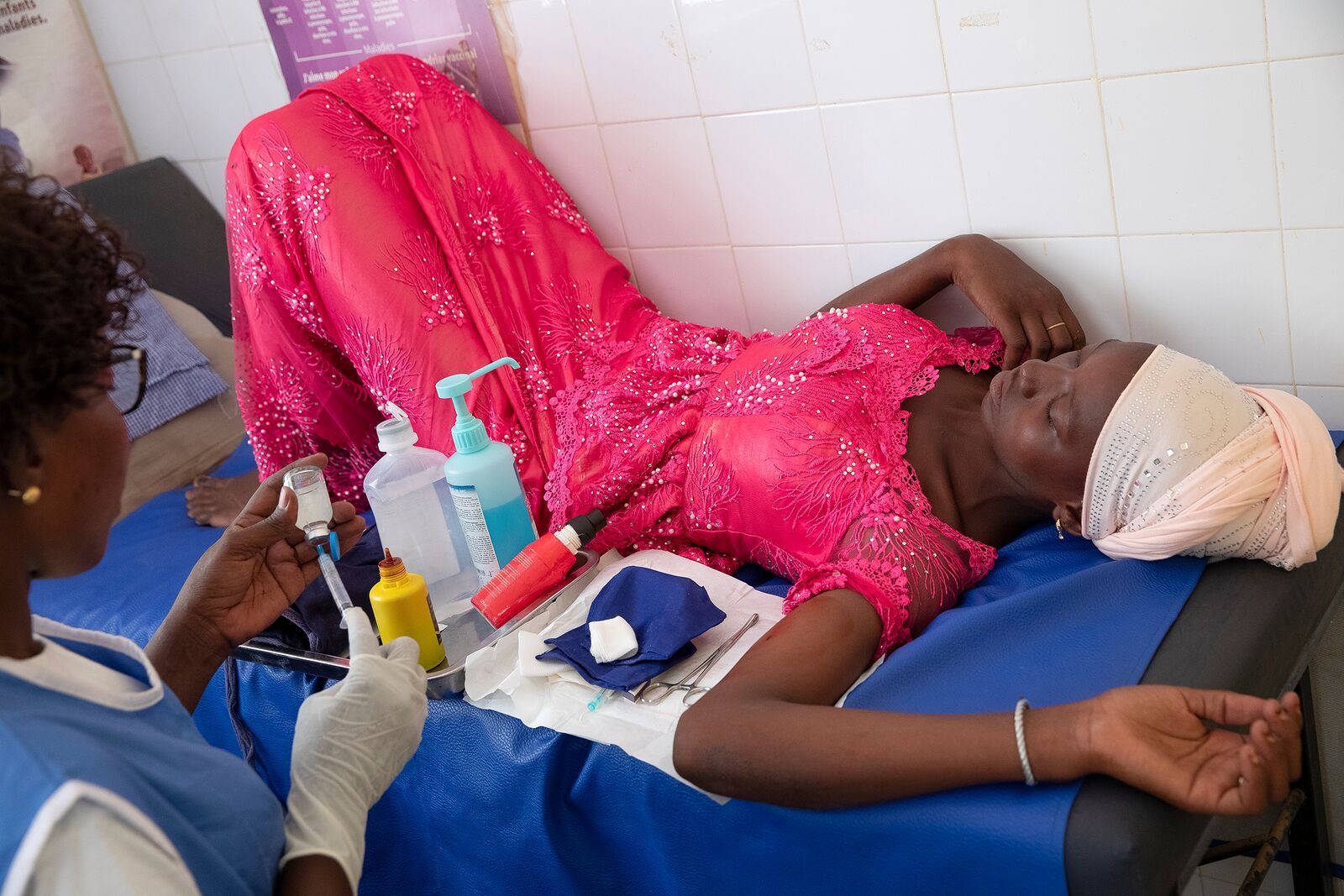
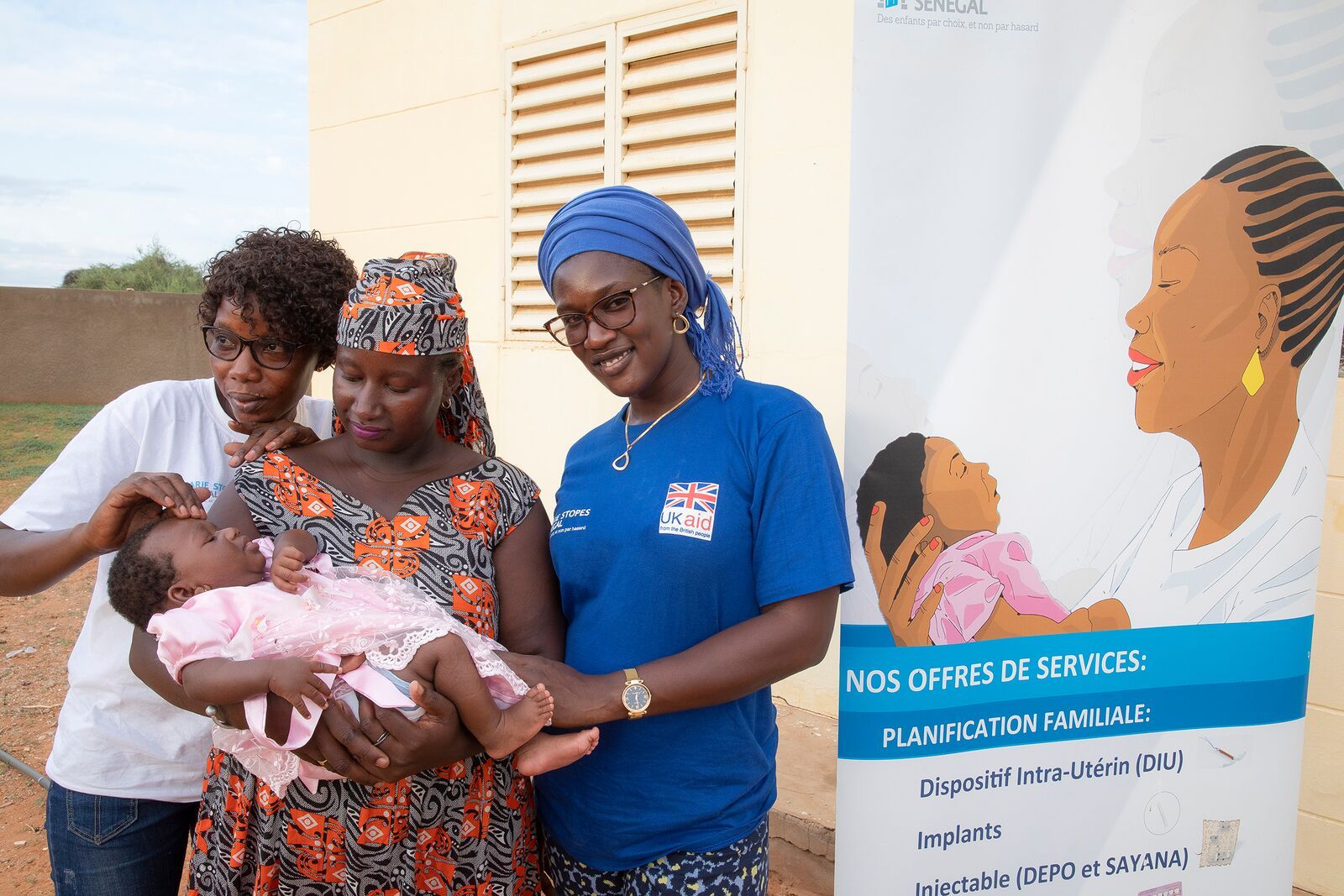
In Senegal, MSI works with communities, religious leaders and the government to provide access to free, high-quality sexual and reproductive health services for girls and women, including family planning and cervical cancer screening and treatment.
MSI operates through a network of private centres, mobile outreach teams and community-based services to reach urban as well as more remote areas. Knowing that unintended pregnancies force teen girls to drop out of school, special emphasis is placed on providing female students with counselling and contraceptive solutions to meet their needs.
At national level, MSI is supporting the government to build public health sector capacity so that hospitals, clinics and health centres will be able to fund and provide sexual and reproductive services sustainably on their own in the long term.
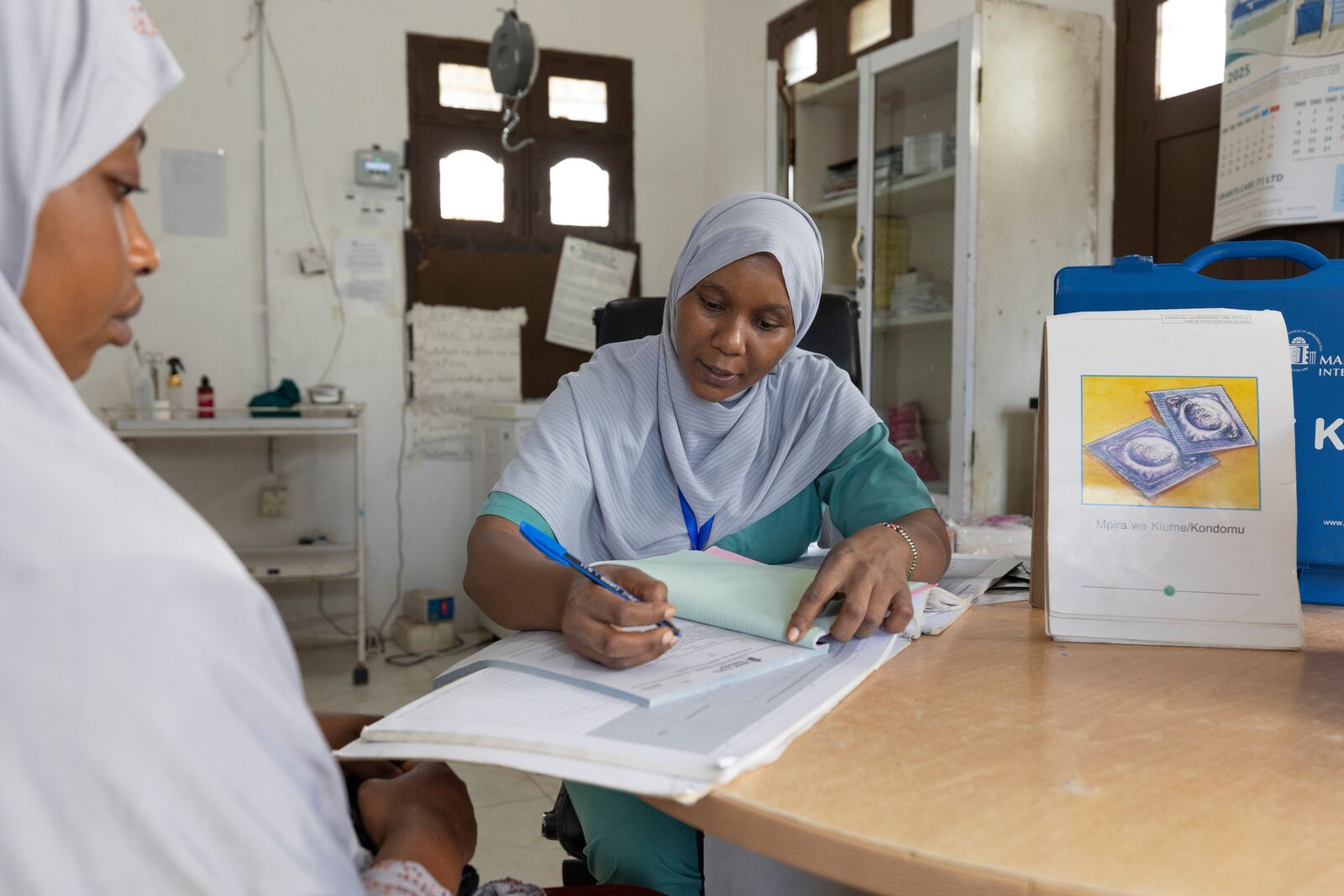
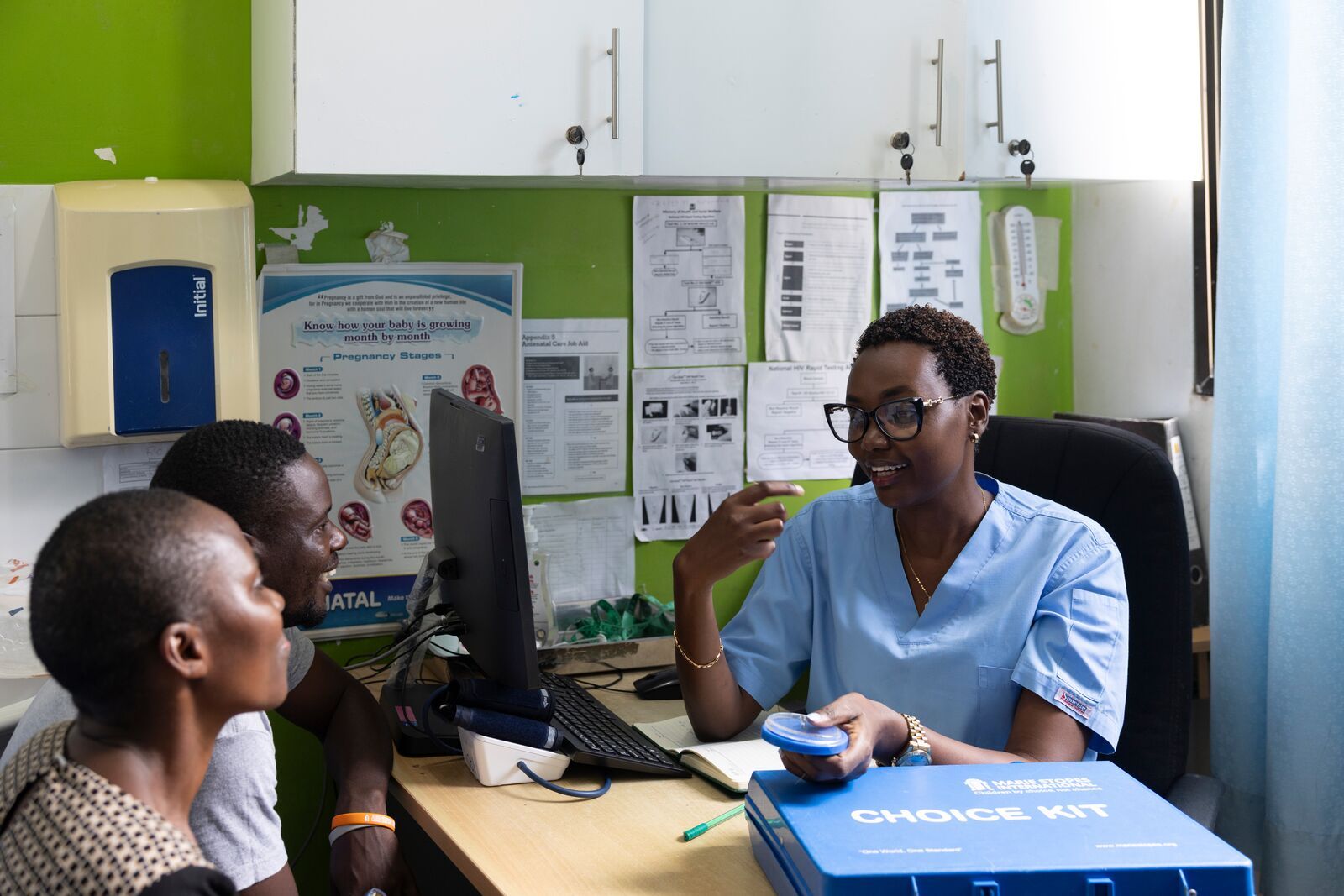
In Tanzania, where MSI is one of the leading providers of reproductive health care in the country, it is is supporting the Ministry of Health to ensure that women can continue to access family planning and sexual & reproductive health choices.
Key numbers