Fauna & Flora
The ever-expanding need for farmland has reduced Nicaragua’s once abundant dry tropical forests to scattered fragments. This has had dire consequences for people and wildlife alike. Threatened species such as the Yellow-naped parrot and Mantled Howler monkey struggle to find suitable habitats. Meanwhile, the degraded land can no longer absorb and store rainfall as it used to, leaving local communities increasingly exposed to landslides and drought. In response to this challenge, Fauna & Flora is supporting local farmers – particularly smallholders – to transition to sustainable, biodiversity-friendly agricultural practices which help them to grow their incomes while leaving the remaining forests intact and well-conserved.
fauna-flora.org | Partner since 2024
Challenge
Nicaragua’s Pacific dry corridor is home to half this Central American nation’s population. Its tropical dry forests, which once covered most of the region, host rare species like the Mantled Howler monkey, the Jaguarundi, Baird’s tapir and Yellow-naped parrot. However, rapid agricultural expansion in recent decades has led to widespread deforestation. Today, less than 1% of Nicaragua is covered by intact dry forests, with dire consequences for people and wildlife. The remaining wildlife populations are squeezed into ever-shrinking, isolated habitat patches. Meanwhile, the degraded, treeless land they used to inhabit has become more vulnerable to landslides and droughts. This has also reduced agricultural productivity, leaving people ever more exposed to climate impacts and food insecurity.
Response
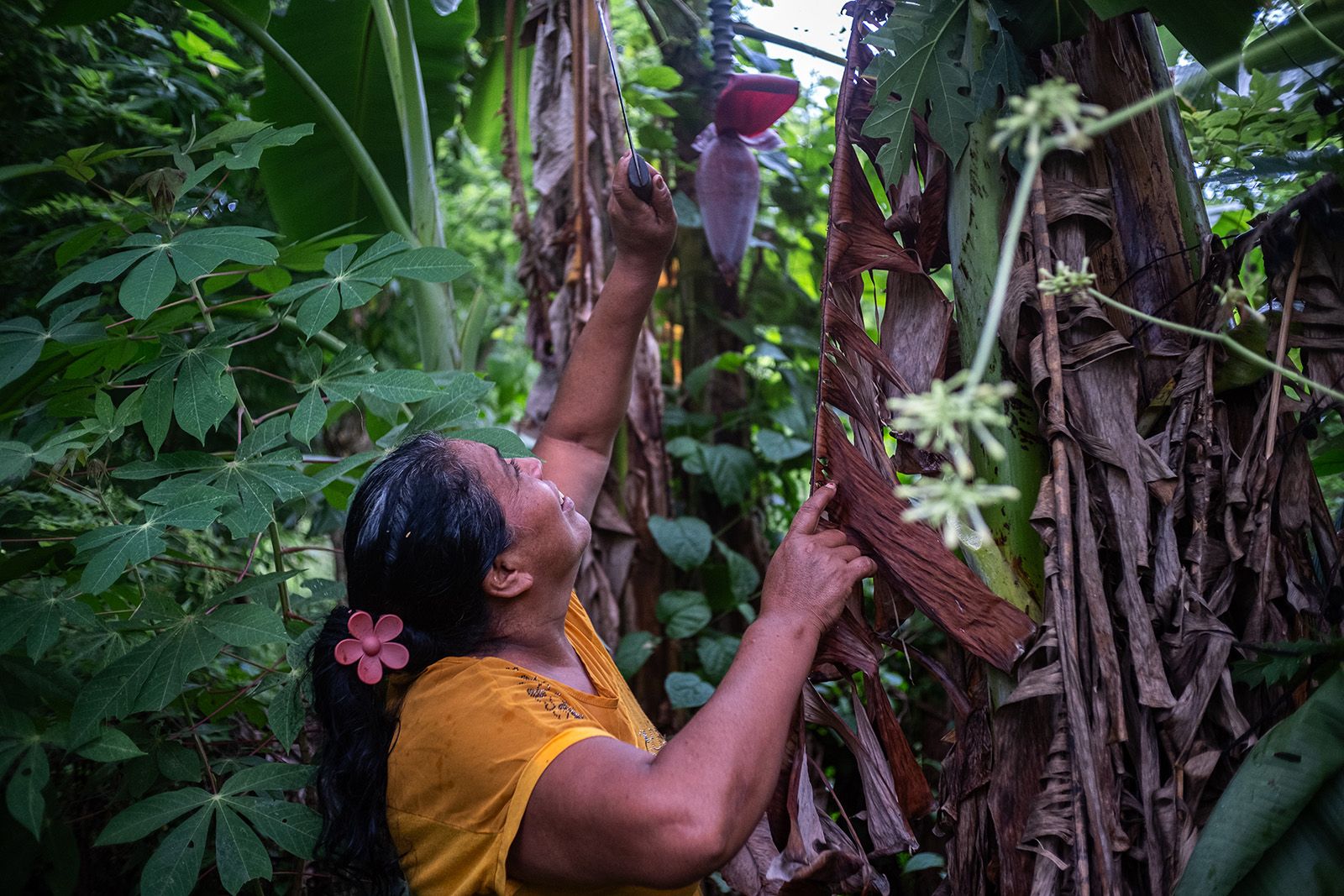
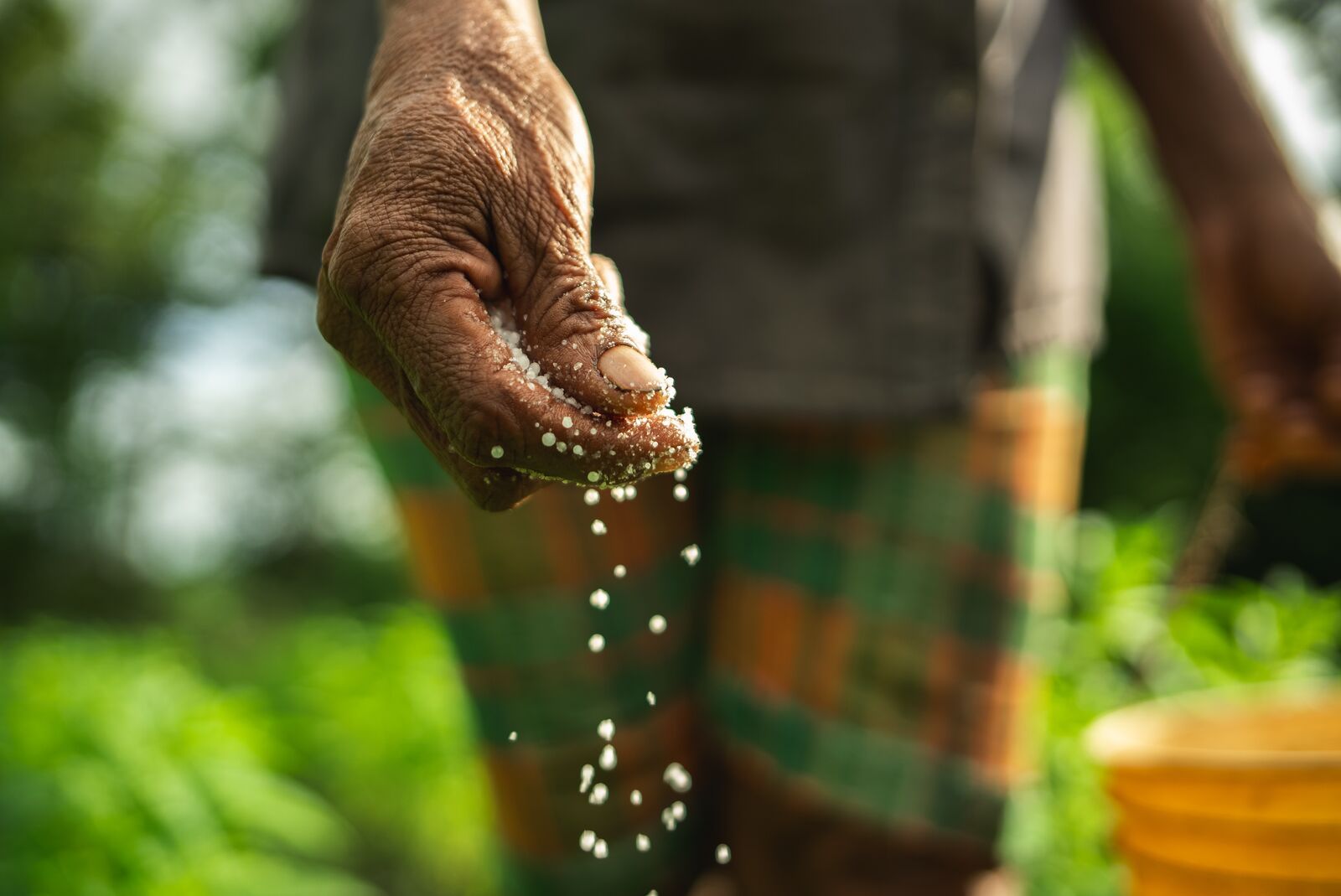
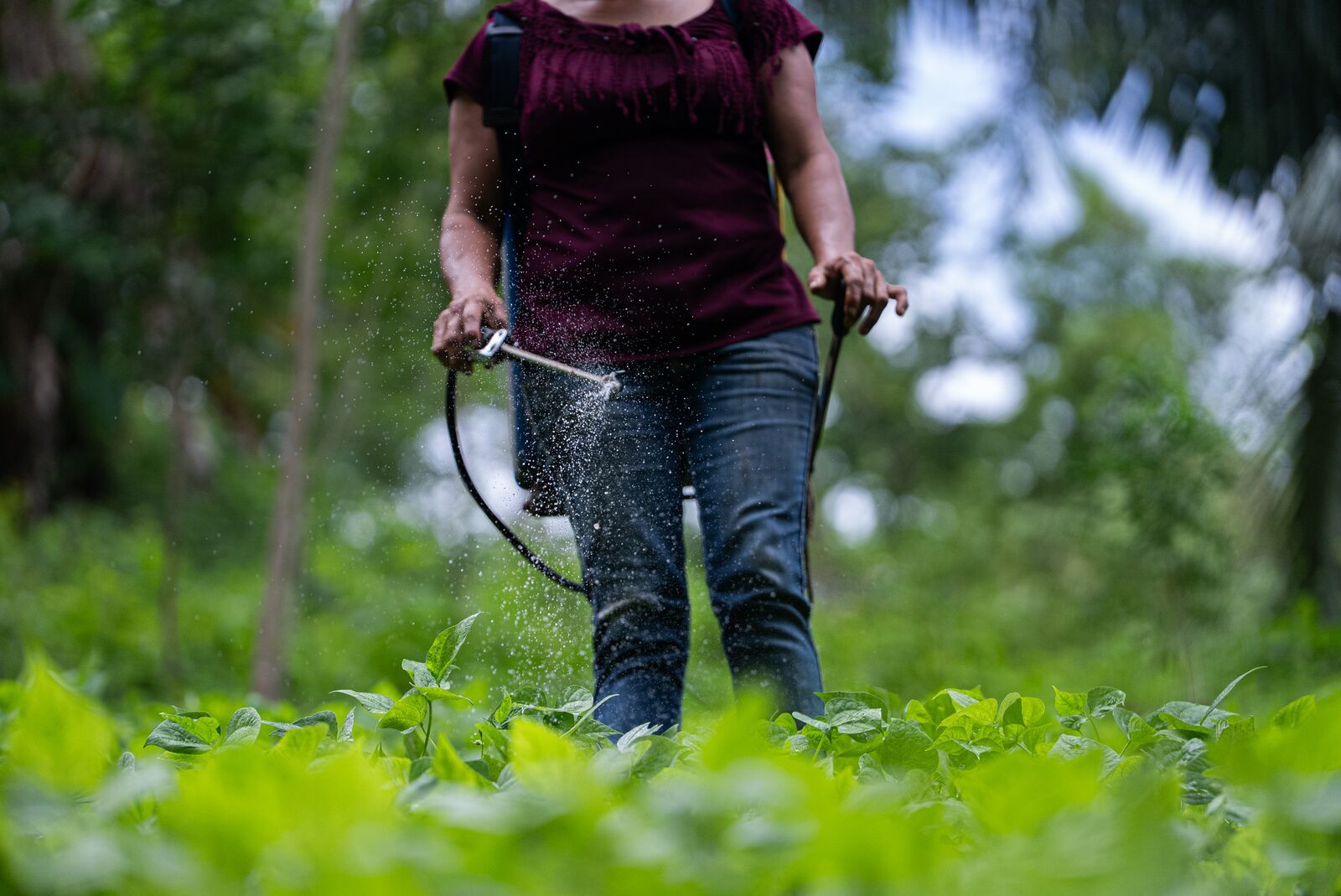
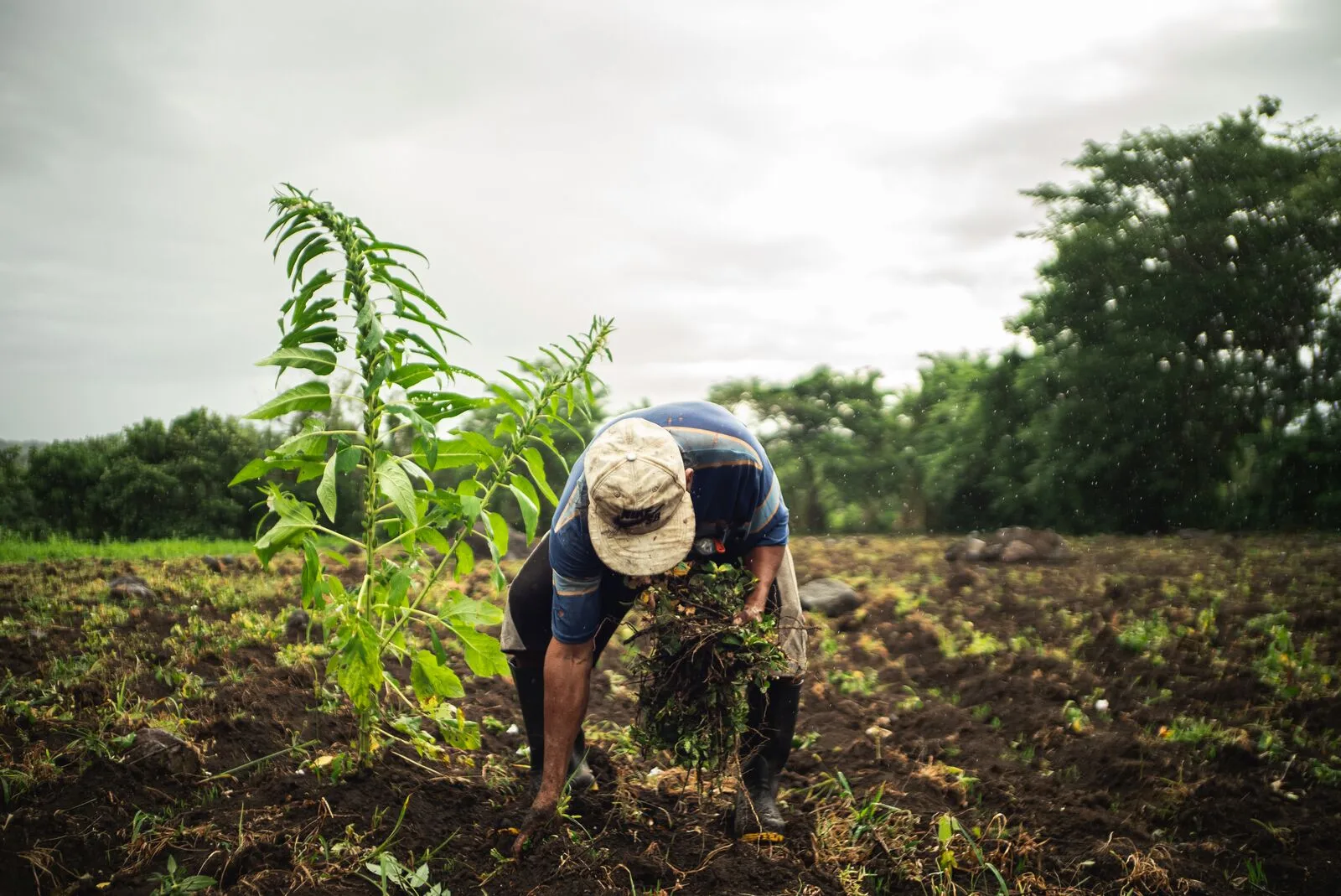
Fauna & Flora aims to conserve the remaining dry tropical forests in Nicaragua’s Pacific landscapes and begin a process of restoration. To this end, it is supporting local farmers to adopt sustainable biodiversity-friendly farming practices such as crop rotation and diversification, organic soil improvements and reduced burning. These practices help farmers increase the productivity of their existing land, which boosts their food and income security, enabling them to stop clearing more forests or poaching wildlife to make ends meet. After working successfully with smallholder farmers on Ometepe Island in Lake Nicaragua, Fauna & Flora is now replicating its approach in six priority areas to cover a further 4,500 hectares and reach over 800 more farmers.
Key numbers