
The ripple effect of Mobility
Published on June 3, 2026
For Jenala Luo, a Buffalo Bicycle has generated thousands in economic returns - and transformed daily life in ways no single number can capture. Her story reflects a broader outcome in rural Zambia: reliable mobility unlocks opportunity.
In Zambia, more than half of people live in rural areas and nearly 60% experience poverty. And without reliable transportation, distance becomes one of the biggest barriers to reaching schools, markets and healthcare.
Jenala Luo has lived with this reality for most of her life. This 38-year-old mother of two runs a small gardening business, producing fruit and vegetables for local sale. For years, transport was a persistent obstacle. To reach the nearest market, she often walked over 20 kilometres or hired a neighbour’s bicycle - a cost that steadily ate into her income.
World Bicycle Relief works to address exactly this. The nonprofit social enterprise mobilises students, community healthcare workers and low-income farming families with robust, locally assembled “Buffalo Bicycles” - enabling children to get to school, health workers to reach patients faster, and entrepreneurs to transport more goods and grow their incomes.
_copy.jpg)
The organisation also works with communities to build a sustainable bicycle ecosystem: local assembly and distribution centres, retail shops and trained mechanics who supply spare parts and carry out servicing - ensuring the bicycles remain in use for 10 years or more.
In 2022, Jenala received a bicycle through the organisation. The effect was immediate and cumulative. Able to take her vegetables to market every day at no extra cost, she began saving between K250 and K300 each month in transportation fees - money that now goes toward food and schoolbooks for her children.
Across Zambia, women and men like Jenala have experienced similar gains: growing incomes, higher productivity and better access to essential services. A Randomised Controlled Trial conducted by World Bicycle Relief and IDInsight has now put firm numbers to what communities already knew.
Dave Neiswander
CEO, World Bicycle Relief

Dave Neiswander
CEO, World Bicycle Relief
The findings are striking. Households receiving bicycles generated an average of USD 3,188 in economic benefits over five years, with higher consumption, increased savings and fewer debts. Members of those households saw incomes rise by 36% compared to the control group.
The study also shed light on resilience. When Zambia experienced its worst drought in 40 years during 2024 - coinciding with data collection - many rural households saw their consumption fall sharply. Households with bicycles fared differently: by making more market trips and engaging in trade, they maintained their standard of living, sustained better food security and kept a higher-quality diet than those without.
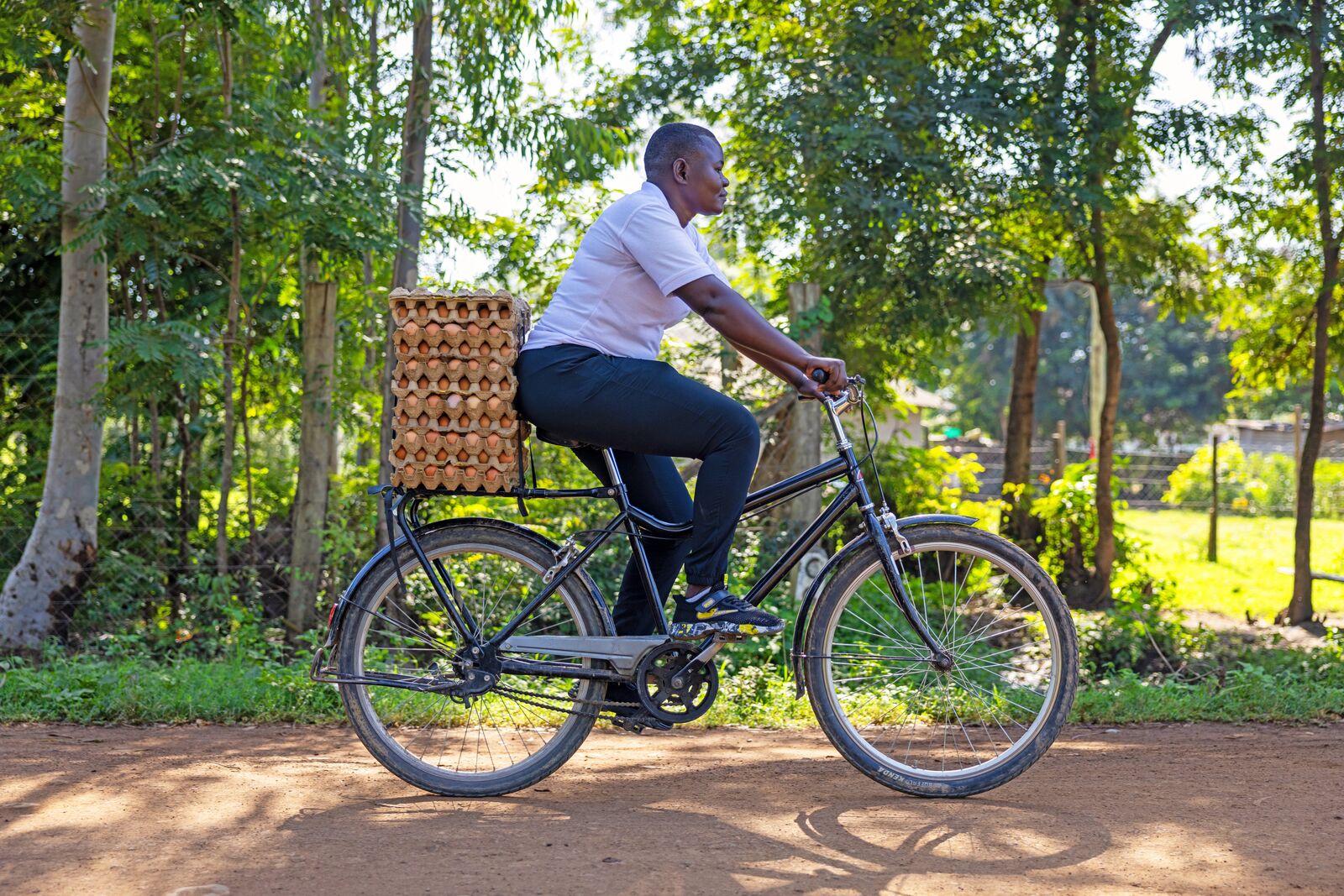
For Jenala, the bicycle has become woven into the fabric of daily life well beyond her business. She uses it to take her children to the clinic, transport maize to the mill, and collect water and firewood. Neighbours and relatives borrow it during emergencies - to attend funerals, or to bring sick family members to health facilities. She particularly values the sturdy carrier, which lets her transport heavy loads with ease, and she describes the bicycle itself as “soft and easy to ride”, praising its durability and the quality of its spare parts.
“We see it reflected in our data and in the stories of our customers: A bicycle is far more than a mode of transport - it is a catalyst for change. When people have reliable mobility, opportunity expands. Students get to school. Health workers reach patients. Entrepreneurs grow their incomes. Families move forward”, says Dave Neiswander, World Bicycle Relief’s CEO.