Namibia’s black rhinos have a future again
Conservation partnerships deliver a win-win for Rhinos and local communities
Published on July 24, 2026
Namibia’s rhino, elephant and lion populations have grown thanks to sound conservation policies since independence in 1990, while they’ve plummeted in most neighbouring countries.
IRDNC has been instrumental in this community-led wildlife conservation success story from the beginning and remains central to it today. In 2025, the organisation worked closely with 46 of the country’s 86 community conservancies to strengthen their governance and natural resource management, create and expand sustainable income sources, and enable wildlife population growth and the related ecological benefits. Some 5 million hectares of community land are now managed by conservancies supported by IRDNC.
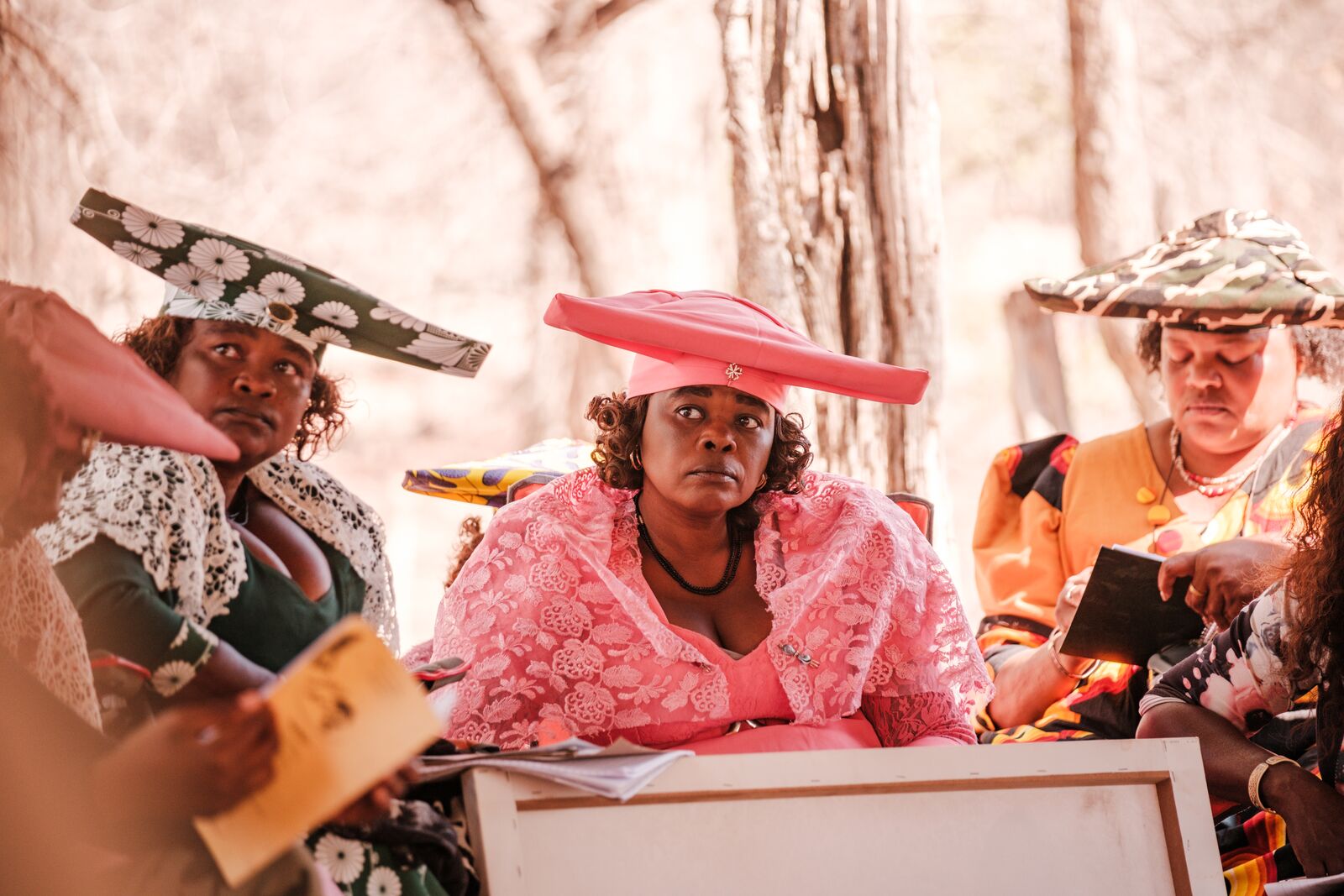
In the Kunene region, IRDNC and its partner conservancies work with the Save the Rhino Trust, local community rangers, the Ministry of Environment, Forestry and Tourism, and the Namibian Police Force, to safeguard the world’s largest free-roaming population of Black rhinos from the ever-present threat of poaching.
Together, they keep the region’s rhinos under constant watch, tracking each individual and recording its location daily. In total, these ranger teams cover more than 5,000 km on foot each year.
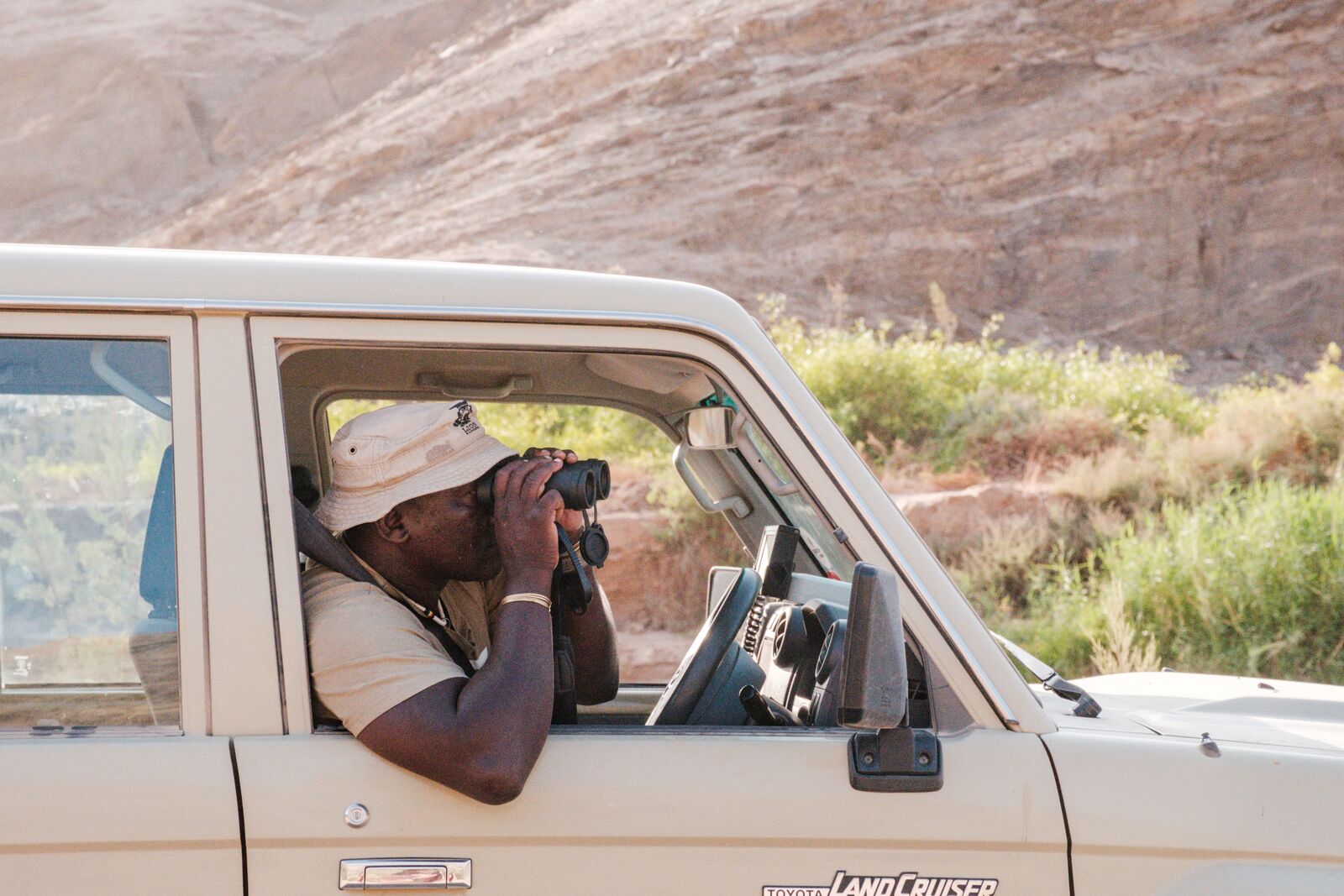
The rhino’s presence attracts tourists to the conservancies and thus generates income for local communities, creating a strong incentive to conserve this rare species.
This locally led and anchored conservation model has been remarkably successful: Rhino poaching remains an acute challenge across Namibia and the wider region - but 2025 marked the fifth consecutive year without a single case of rhino poaching in the six IRDNC partner conservancies where the species occurs.
Images by Ben Buckland/ Cartier Philanthropy for People and Nature